

左:信楽 茶壺 桃山時代(1573〜1615)/右:古伊万里 色絵皿 1700年頃 クリーブランド美術館所蔵(CC0)
Left: Shigaraki tea storage jar, Momoyama period. Right: Ko-Imari enamelled dish, c. 1700. The Cleveland Museum of Art (CC0)
同じ「やきもの」でも、土からつくる陶器と、石からつくる磁器では、手ざわりも見た目も大きく違います。素材・製法・特徴・代表的なやきものの4つの視点で、ふたつの違いを並べてみました。Pottery is made from clay, porcelain from stone, and the two differ greatly in feel and look. Here we compare them by material, making, character and representative wares.
ひと目でわかる、ふたつの個性Two characters at a glance
素材のちがいが、器の表情のちがいになりますDifferent materials give vessels different faces
陶器
とうき / Pottery
土の風合いを生かす
温かみのあるやきものWarm ware that brings out the texture of clay

例:信楽焼 茶碗(17世紀)e.g. Shigaraki tea bowl, 17th century
磁器
じき / Porcelain
白く緻密で硬く
絵付けが映えるやきものWhite, dense and hard, made to show off painting
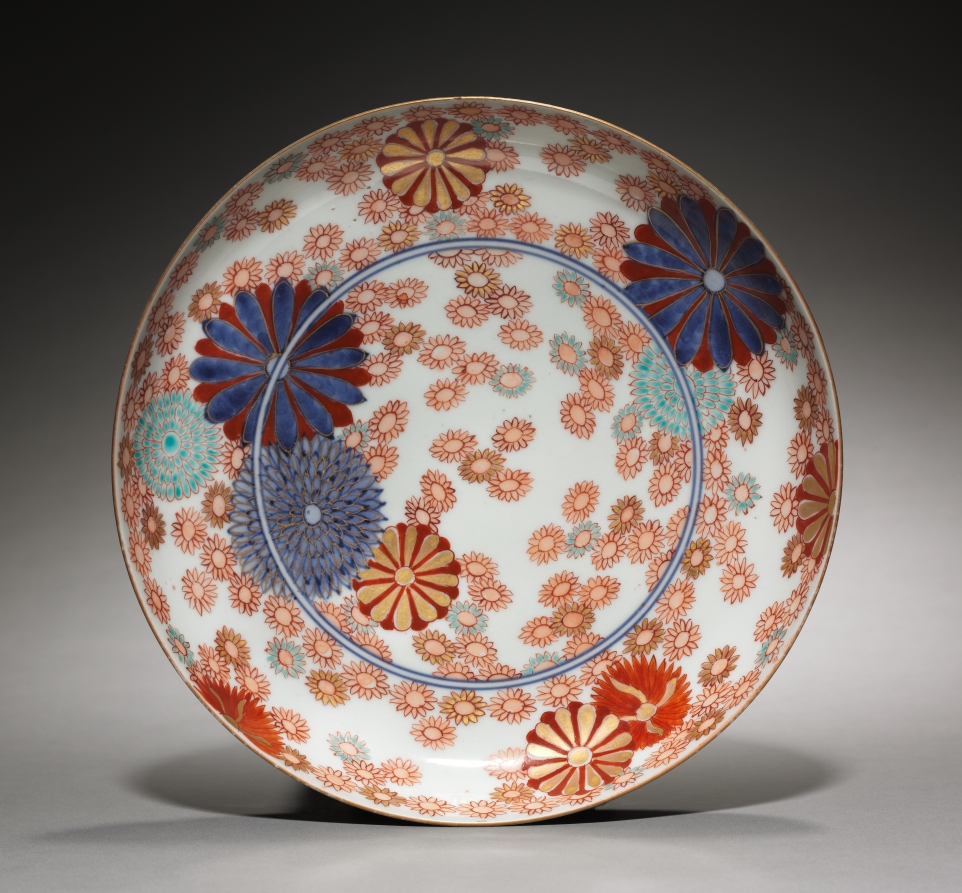
例:古伊万里 色絵皿(18世紀)e.g. Ko-Imari enamelled dish, 18th century
比べてみるとSide by side
素材と特徴Materials and characteristics
| 比較項目Item | 陶器Pottery | 磁器Porcelain |
|---|---|---|
| 主な原料Main material | 粘土(陶土)Clay | 陶石・カオリンなどPorcelain stone, kaolin, etc. |
| 焼成温度Firing temperature | 約900〜1,250℃Approx. 900–1,250°C | 約1,200〜1,400℃Approx. 1,200–1,400°C |
| 吸水性Water absorption | 比較的ある(5〜15%程度※)Fairly absorbent (about 5–15%*) | ほとんどない(0.1%以下)Almost none (0.1% or less) |
| 質感・見た目Texture and look | 土の温かみ・柔らかさ。釉薬の変化や景色が豊かWarm, soft clay; rich play of glaze and kiln effects | 白く硬質・緻密で滑らか。絵付け・色絵が鮮やかWhite, hard, dense and smooth; vivid painted and enamelled decoration |
| 光の透過Translucency | 基本的に不透明Generally opaque | 薄手のものは透光性があるThin pieces let light through |
| 代表的な技法Typical techniques | 焼締め・自然釉・灰釉・鉄釉・長石釉・志野・織部 などUnglazed firing, natural ash glaze, ash glaze, iron glaze, feldspar glaze, Shino, Oribe, etc. | 染付・色絵・金彩・上絵・錦手・柿右衛門様式 などUnderglaze blue, overglaze enamels, gold, overglaze painting, brocade style, Kakiemon style, etc. |
| 代表的な産地(例)Main centers (examples) | 備前・信楽・常滑・瀬戸・丹波・越前・萩・唐津・益子 などBizen, Shigaraki, Tokoname, Seto, Tamba, Echizen, Hagi, Karatsu, Mashiko, etc. | 有田・伊万里・九谷・京焼・瀬戸(磁器) などArita, Imari, Kutani, Kyoto, Seto (porcelain), etc. |
※吸水率は目安です。土や焼き方によって異なります。*Absorption rates are approximate and vary with the clay and firing.
できるまでHow they are made
製法の流れFrom material to firing
陶器Pottery
磁器Porcelain
代表的なやきもの(例)Representative wares (examples)
陶器の代表例Pottery
主に土の表情・焼成の変化を楽しむEnjoyed for the face of the clay and the effects of firing
 備前焼岡山Bizen · Okayama
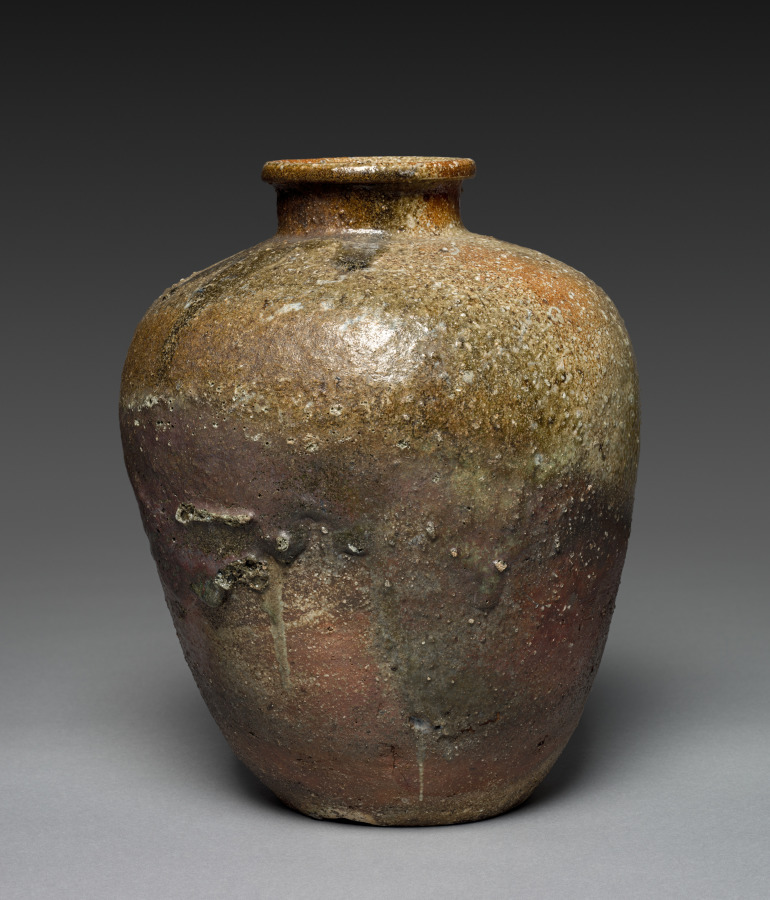 信楽焼滋賀Shigaraki · Shiga
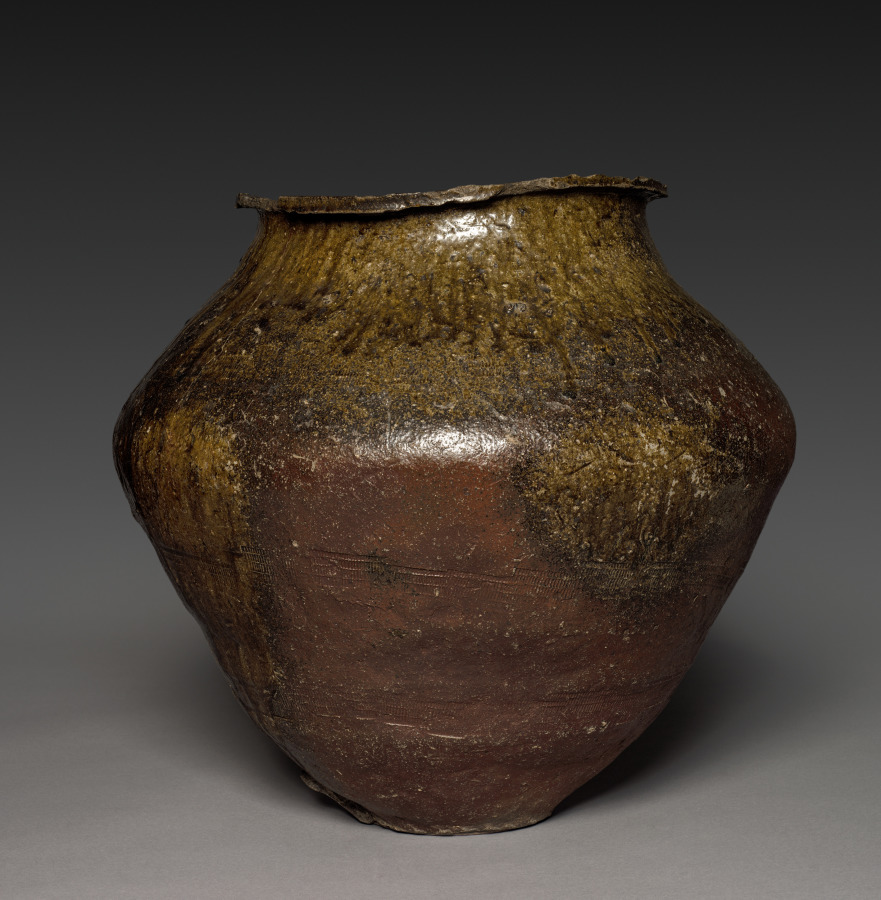 常滑焼愛知Tokoname · Aichi
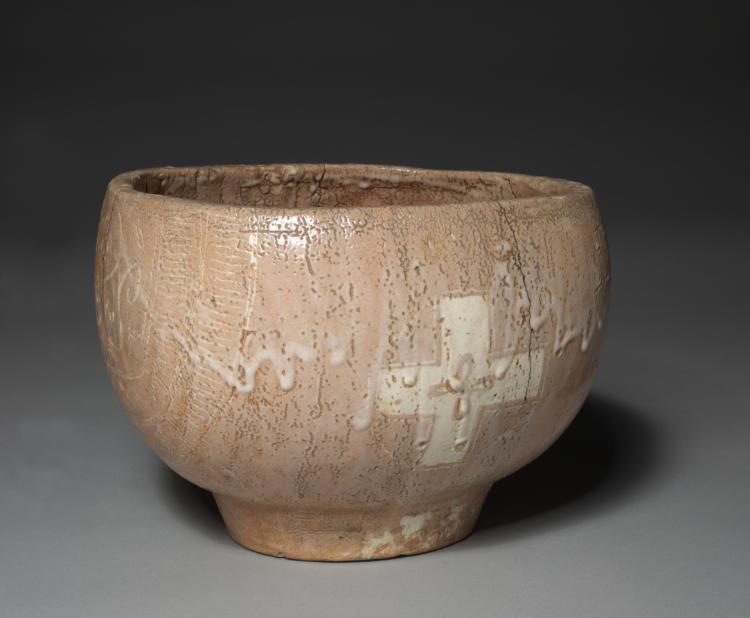 萩焼山口Hagi · Yamaguchi
磁器の代表例Porcelain
白い素地と絵付けの美しさを楽しむEnjoyed for the white body and the beauty of painting
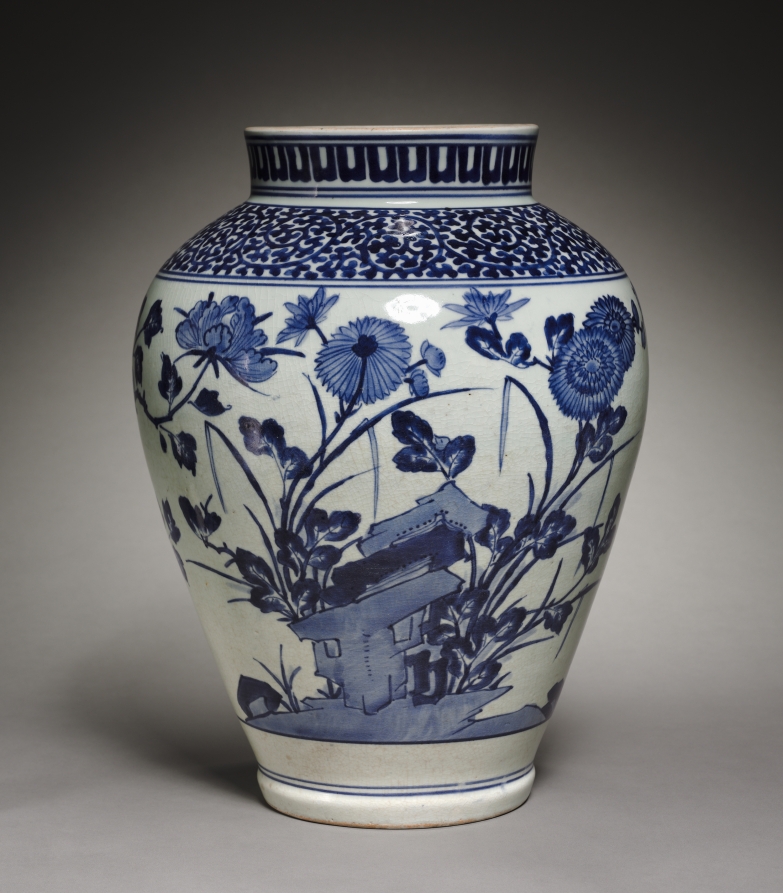 有田焼・伊万里焼佐賀Arita / Imari · Saga
 九谷焼石川Kutani · Ishikawa
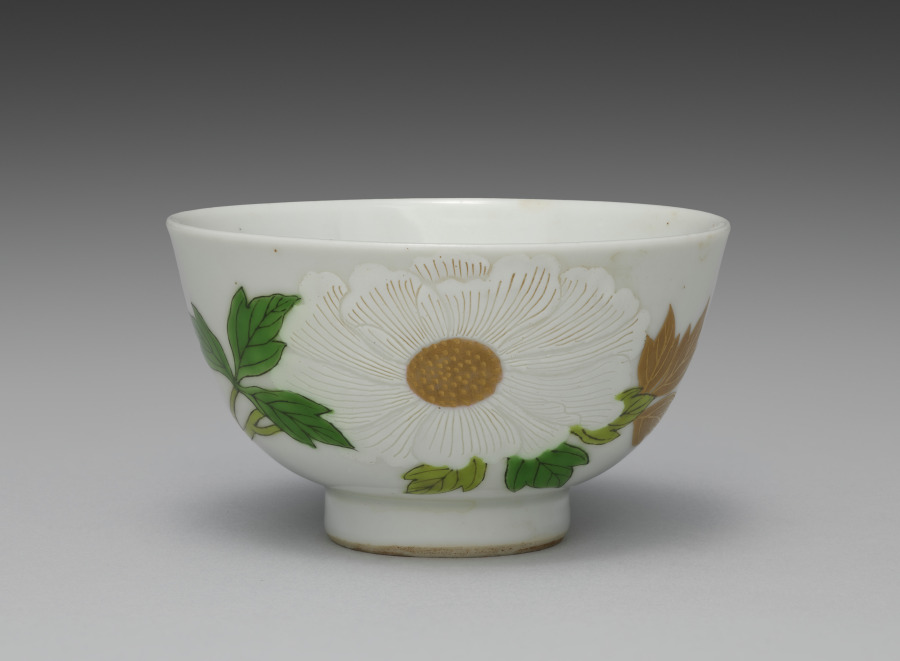 京焼(磁器)京都Kyoto porcelain · Kyoto
NORTAの磁器Porcelain at NORTA
白い素地に、染付の藍と金彩が映える九谷の器Kutani pieces with indigo underglaze and gold on a white body


写真:クリーブランド美術館(オープンアクセス・CC0)所蔵品 冒頭:信楽 茶壺 1969.227/古伊万里 色絵皿 1962.38 本文:信楽焼 茶碗 1976.25/伊万里焼 色絵皿 1964.265/備前焼 1976.110/信楽焼 2015.505/常滑焼 1992.356/萩焼 1962.211/伊万里焼 染付 1964.266/九谷焼 1986.173/京焼 清風与平 2022.186.1
製法の図:NORTA / 数値・分類は一般的な目安です。Photos: The Cleveland Museum of Art, Open Access (CC0). Process illustrations: NORTA. Figures and classifications are general guides.