

左:縄文土器(紀元前2500年頃)/右:柿右衛門様式 色絵六角壺(17世紀後半) クリーブランド美術館所蔵(CC0)
Left: Jōmon deep vessel, c. 2500 BCE. Right: Kakiemon-style hexagonal jar, late 17th century. The Cleveland Museum of Art (CC0)
土器のはじまりから現代まで、日本のやきものの歩みを、時代ごとの出来事・代表的なやきもの・主な産地でたどります。Follow Japanese ceramics from early earthenware to today through key events, representative wares and main production areas of each era.
成立から発展、交流と多様化、そして現代へFrom beginnings and growth to exchange, diversity and the present
縄文〜弥生Jōmon–Yayoi
〜5世紀to the 5th century
- 土器の成立・発達Earthenware emerges and develops
- 縄文土器・弥生土器が生活の基盤Jōmon and Yayoi earthenware underpin daily life
- 技術性と実用性が両立Craft and practicality go hand in hand

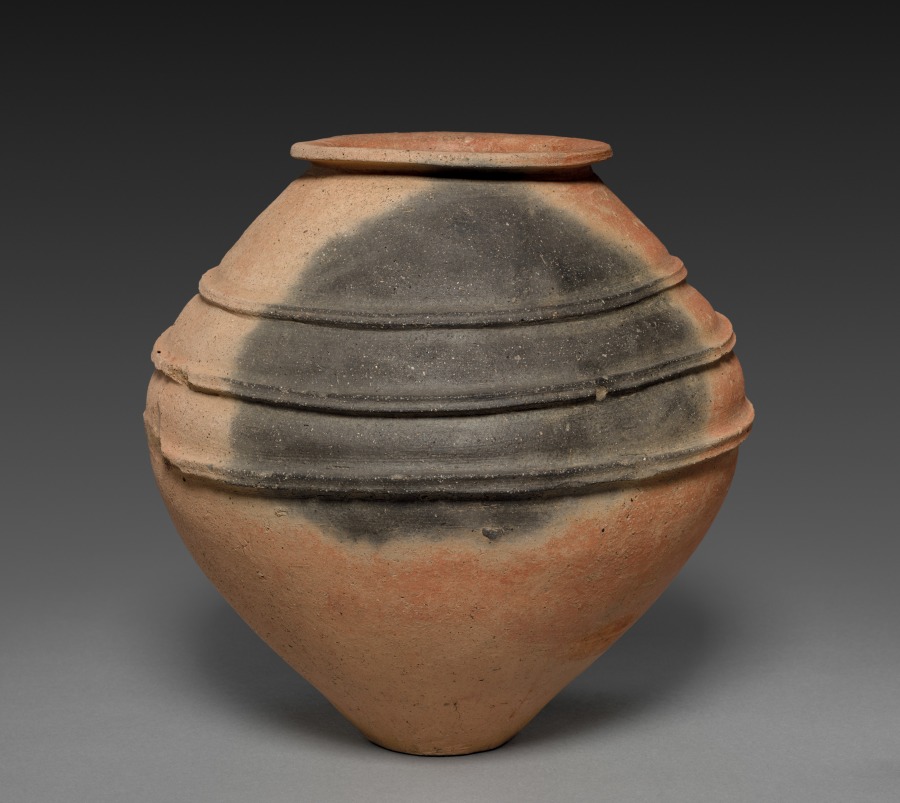
主な産地全国(各地で出土)Main areas: Throughout Japan (excavated across the country)
古代Ancient period
5〜10世紀5th–10th century
- 須恵器の普及(朝鮮半島の技術の影響)Sue ware spreads, influenced by techniques from the Korean Peninsula
- 灰釉・緑釉など施釉陶器が発達Glazed wares such as ash- and green-glazed ceramics develop
- 技術の向上Techniques advance
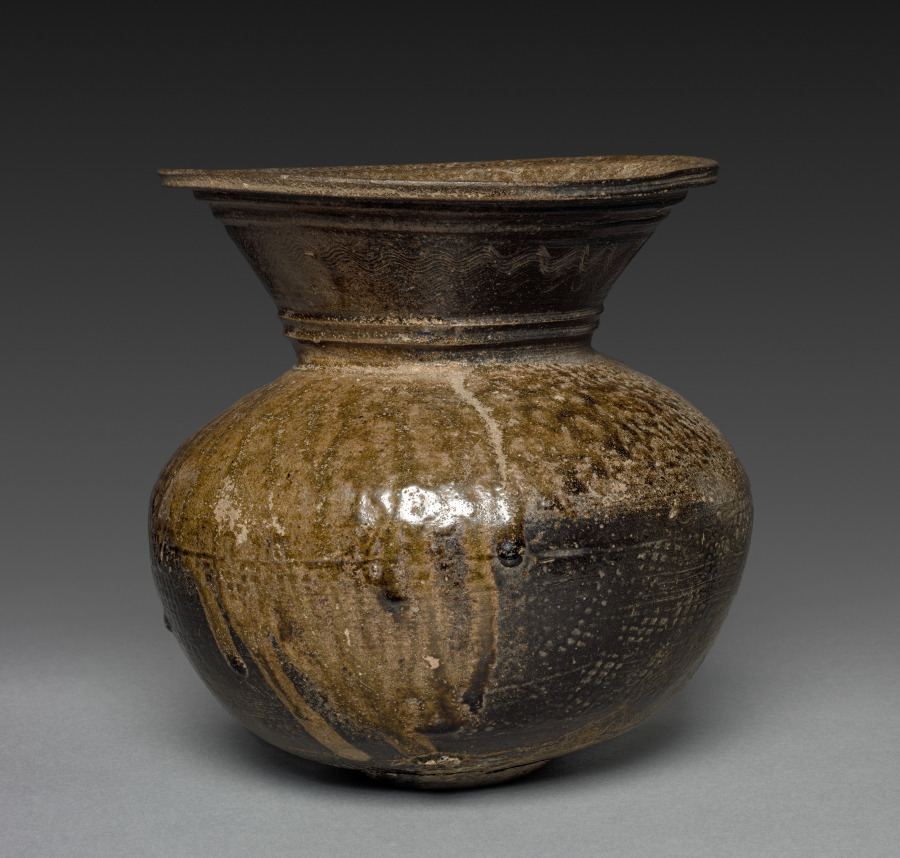
主な産地近畿・東海(窯業が各地に)Main areas: Kinki and Tōkai (kilns spread to many areas)
中世Medieval period
10〜14世紀10th–14th century
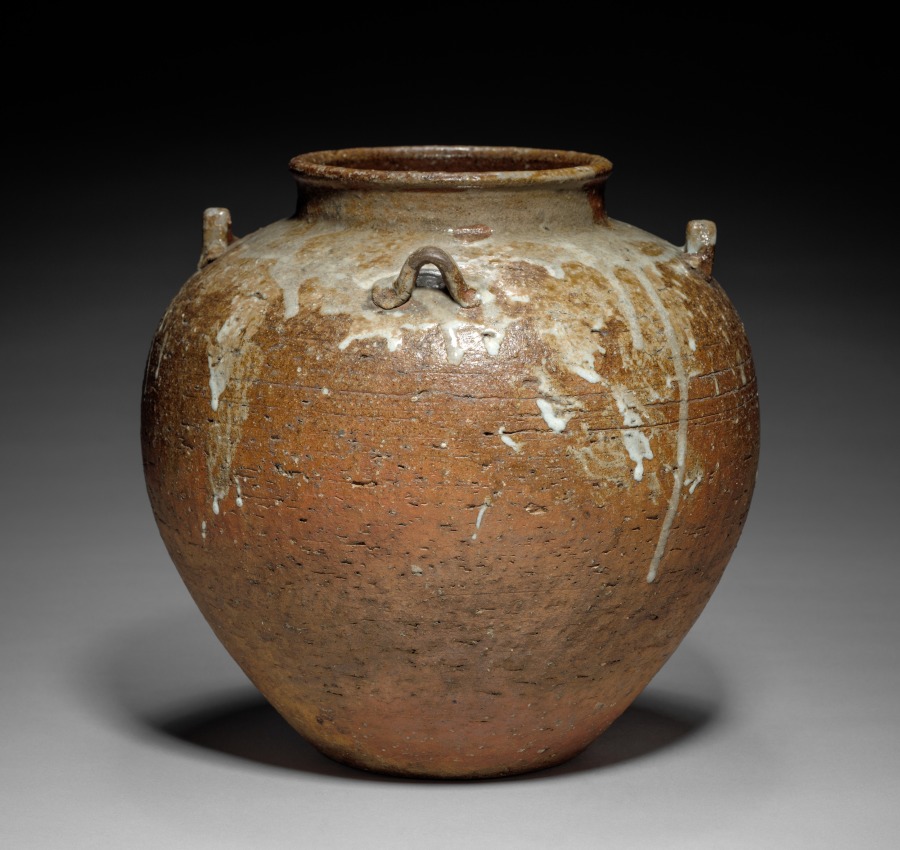
- 日本独自の「六古窯」が成立Japan’s own “Six Ancient Kilns” take shape
- 日常の器から茶の湯の器まで、実用と美が発展From everyday wares to tea wares, use and beauty develop together
- 日本の陶器文化が全国へ広がるJapanese ceramic culture spreads nationwide
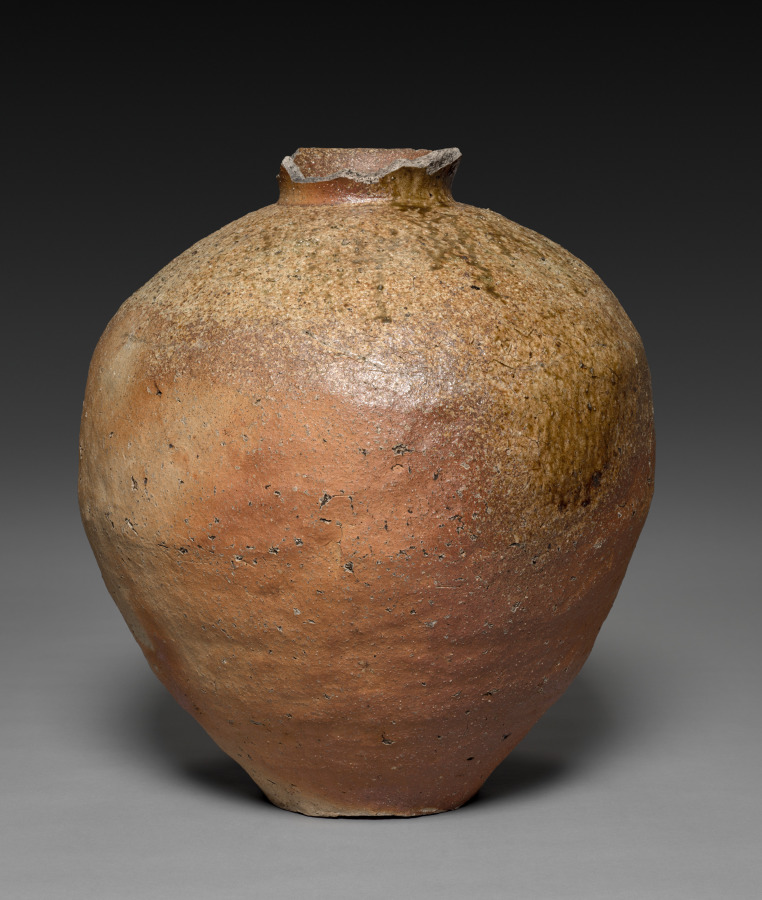

主な産地瀬戸・常滑・信楽・備前・越前・丹波(六古窯)Main areas: Seto, Tokoname, Shigaraki, Bizen, Echizen, Tamba (the Six Ancient Kilns)
桃山Momoyama
16世紀16th century
- 茶の湯の流行でやきものの美意識が飛躍The rise of tea culture lifts the aesthetics of ceramics
- 志野・織部・楽など個性豊かな茶陶が誕生Distinctive tea wares are born: Shino, Oribe, Raku and more
- 「わび・さび」の美学が確立The aesthetics of wabi-sabi take hold
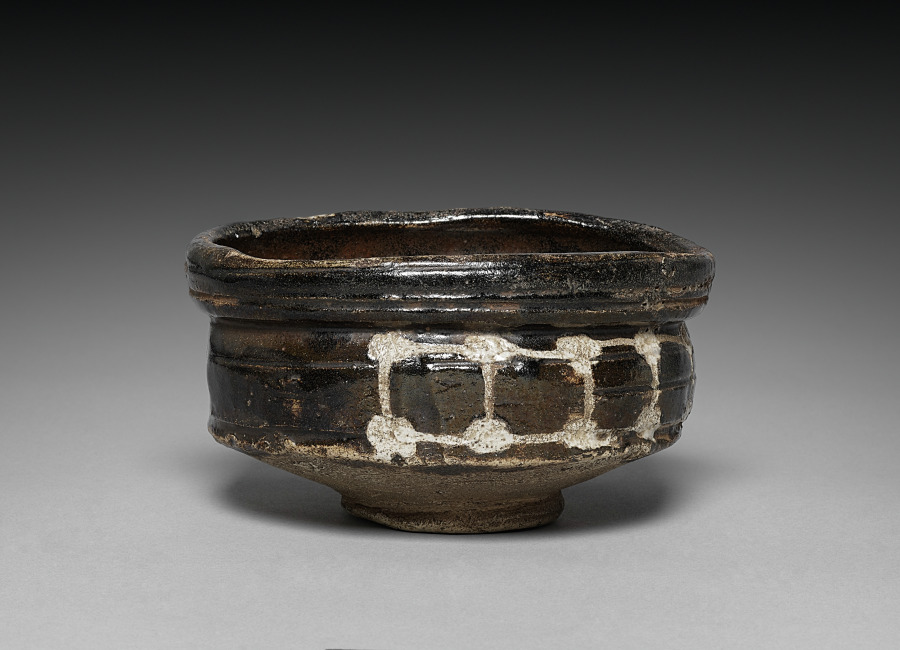
主な産地美濃(志野・織部)、京都(楽)などMain areas: Mino (Shino, Oribe), Kyoto (Raku), etc.
江戸前期Early Edo
1600〜1700年代1600s–1700s
- 有田で磁器生産が本格化(1610年代)Porcelain production gets under way in Arita (1610s)
- 染付・色絵が発達し、伊万里として国内外へ流通Underglaze blue and enamels develop; wares travel at home and abroad as “Imari”
- 古九谷の色絵も成立(1655頃)Ko-Kutani enamelled ware also appears (c. 1655)

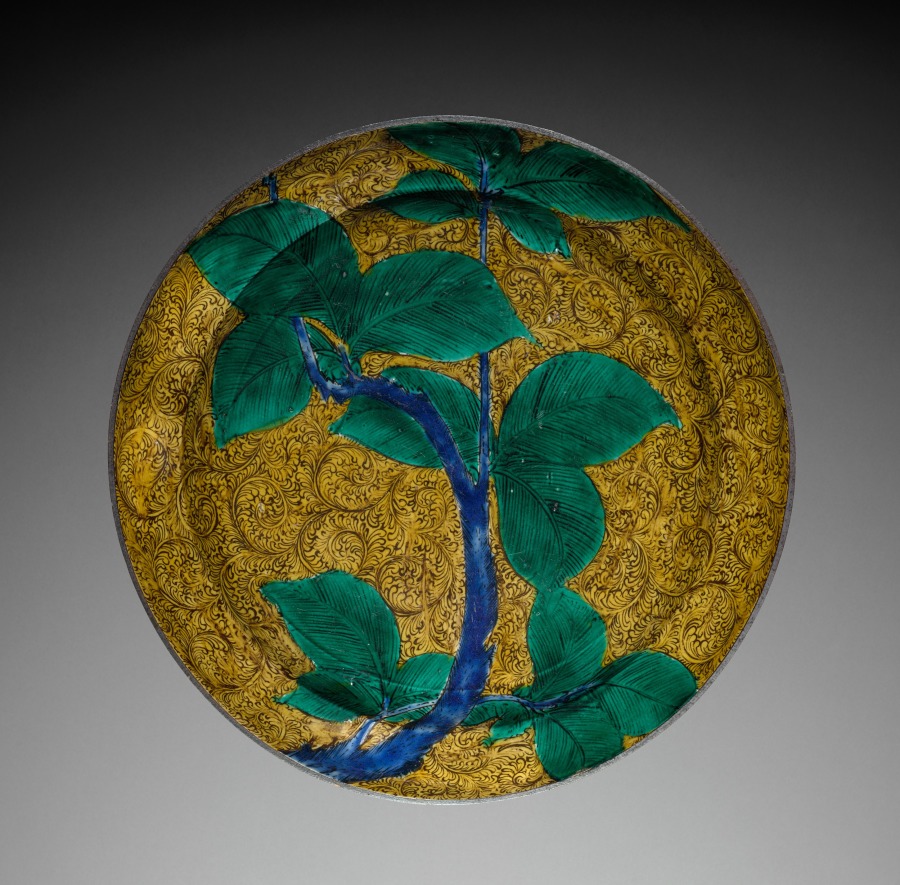
主な産地有田(伊万里)、九谷(古九谷)Main areas: Arita (Imari), Kutani (Ko-Kutani)
江戸中後期Mid–late Edo
1700年代1700s
- 柿右衛門様式により上品な色絵が確立The Kakiemon style establishes refined enamel decoration
- 京焼の色絵が多様化(仁清・乾山)Kyoto enamelled wares diversify (Ninsei, Kenzan)
- 各地で産地の個性が深化Regional identities deepen

主な産地有田(柿右衛門)、京都(仁清・乾山)Main areas: Arita (Kakiemon), Kyoto (Ninsei, Kenzan)
幕末〜明治Late Edo–Meiji
1800年代1800s
- 九谷焼の再興(1807〜)Kutani ware is revived (from 1807)
- 薩摩焼の輸出が拡大し、海外で高い評価を得るSatsuma exports grow and win high regard abroad
- 万国博覧会を契機に、産業化と国際的な評価が進むWorld’s fairs spur industrialisation and international recognition

主な産地九谷(加賀)、薩摩(鹿児島)Main areas: Kutani (Kaga), Satsuma (Kagoshima)
近代〜現代Modern to today
1900年〜現在1900 to the present
- 伝統の継承と革新Tradition carried on and renewed
- 民芸運動や現代作家の活躍The Mingei movement and contemporary artists
- 工芸・美術としての評価が世界的に高まるWorldwide recognition as craft and art
- 新しい造形表現の広がりNew forms of expression spread
主な産地全国(有田・九谷・信楽・備前・益子など)Main areas: Across Japan (Arita, Kutani, Shigaraki, Bizen, Mashiko, etc.)
歴史の流れ(まとめ)The story at a glance
※年代は目安です。地域や様式が一斉に切り替わったわけではありません。*Dates are approximate; regions and styles did not change all at once.
NORTAのやきものVintage pieces at NORTA
時を経て受け継がれてきた九谷の器Kutani pieces handed down through time
 九谷 花づくし 金彩 茶器Kutani tea cups with flowers and gold
 細密花詰 盃Sake cup filled with fine flowers
 金彩盃 人物画Gold sake cup with figures
続きは「陶磁器の歴史地図」へ →Next: A historical map of porcelain
写真:クリーブランド美術館(オープンアクセス・CC0)所蔵品 冒頭:縄文土器 1998.32/柿右衛門様式 1964.273.1 本文:縄文土器 1984.68/弥生土器 1984.26/須恵器 1991.124/信楽 2015.492/備前 1976.111/織部 2020.214/初期伊万里 1981.85/古九谷様式 1964.245/柿右衛門様式 1961.42/野々村仁清 1978.6/薩摩焼 1918.878
イラスト(緑釉陶器・志野茶碗・再興九谷・現代のやきもの):NORTA / 年代・分類は一般的な目安です。Photos: The Cleveland Museum of Art, Open Access (CC0). Illustrations: NORTA. Dates and classifications are general guides.